Medical Translation: A Complete Guide for Hospitals

The healthcare sector requires skilled doctors and surgeons to carry out operations and surgeries and aid in recovery from diseases, illnesses, and injuries. But there is one more important factor that can literally save lives: clear communication.

Australia is home to one of the most culturally diverse populations in the world. This is why hospitals and clinics face the constant challenge of providing quality care to patients who speak little or no English. A solution to this growing challenge is medical translation. Yes, this service allows everyone, regardless of their first language, to understand their diagnosis, treatment, and health information.

This blog walks you through what medical translation involves, why it’s important in Australian healthcare, and how professional services like Beyond Translation make all the difference in maintaining accuracy, compliance, and compassion in medical communication.

Why Medical Translation Matters in Australia

Australia’s healthcare system is built on the idea that everyone should have access to quality care. According to the Australian Bureau of Statistics (ABS) 2021 Census, 5.6 million people (22% of the population) in Australia reported using a language other than English at home. This shows there are many people who may need language support when visiting a doctor, hospital, or aged care facility.

When a patient can’t clearly communicate their symptoms or understand their treatment plan, it can lead to serious consequences, including misdiagnoses, medication errors, and emotional distress. With medical translation, important documents like patient records, consent forms, prescriptions, and discharge summaries are accurately translated into the patient’s preferred language.

But it’s not just about helping patients. Accurate translation also protects hospitals and healthcare professionals from legal and ethical risks. In a highly regulated environment like healthcare, even a small translation error can have major implications for compliance and patient safety.

Why Hospitals Should Use Professional Medical Translators

Why Hospitals Should Use Professional Medical Translators- https://beyondtranslation.com.au/

When dealing with something as critical as health information, there’s no room for guesswork. Relying on bilingual staff members, Google Translate, or general translators can lead to costly mistakes.

Here’s why hospitals should always work with professional medical translators:

1. Accuracy and Consistency

Medical terminology is one of the most complex areas of language. Words that sound similar can have completely different meanings in a clinical context. For example, translating “hypertension” or “lesion” incorrectly could drastically alter a diagnosis or treatment plan.

Professional medical translators are trained to handle this level of detail. They’re familiar with clinical vocabulary, terminology, abbreviations, and pharmacological terms. They also maintain consistency across all translated materials, whether it’s patient discharge notes, medication labels, or research documents.

2. Confidentiality and Compliance

Healthcare information is highly sensitive. Most Australian hospitals need to comply with the Privacy Act 1988, as well as the My Health Records Act 2012, which outlines strict rules on how personal health data is collected, stored, and shared.

When unqualified translators or informal interpreters are used, this confidentiality can be easily compromised, even unintentionally. Professional medical translators, however, follow stringent privacy and data security protocols. Reputable translation providers like Beyond Translation use secure systems for transferring and storing files, and their translators sign confidentiality agreements before working on any project.

3. Cultural Sensitivity

In Australia’s multicultural society, healthcare is not just about treating physical symptoms. It’s also about understanding the patient’s background, beliefs, and expectations. Cultural sensitivity plays a major role in how medical information is received and trusted.

A professional medical translator knows how to adapt language in a way that is both accurate and culturally respectful. For example, in some cultures, direct references to terminal illness or reproductive health can be considered taboo. A sensitive translator can find the right tone that maintains honesty while showing empathy and respect.

4. Certified Translators (NAATI Accreditation)

In Australia, the gold standard for translation quality is NAATI accreditation, a certification issued by the National Accreditation Authority for Translators and Interpreters. Hospitals and government agencies often require NAATI-certified translators to make sure that translated documents meet national quality and reliability benchmarks.

NAATI-certified translators are tested for language fluency, subject-matter knowledge, and professional ethics. This accreditation gives hospitals peace of mind that their documents will be accepted by medical boards, government departments, and insurance providers.

Types of Medical Documents That Need Translation

Hospitals and clinics often deal with a wide range of documents that require professional translation. Some of the most common include:

  • Patient information forms and consent documents
  • Clinical trial documentation
  • Discharge summaries and medical reports
  • Laboratory and diagnostic test results
  • Prescription information and dosage guides
  • Health promotion materials (brochures, posters, etc.)
  • Insurance claims and billing records
  • Patient education materials in community health programs

In multicultural cities like Melbourne, Sydney, and Brisbane, many hospitals now make translated materials readily available to improve patient satisfaction and engagement.

What Does the Translation Process Involve?

The medical translation process typically follows a structured approach to ensure precision and quality:

1. Document Assessment

The translation team reviews the document to identify its complexity, medical field (e.g., cardiology, oncology), and target audience.

2. Translation by a Medical Specialist

A qualified translator with experience in the relevant medical field translates the document.

3. Editing and Proofreading

A second linguist reviews the work for consistency, terminology accuracy, and formatting.

4. Quality Assurance

The final document goes through a quality check, often including compliance with hospital requirements or government regulations.

4. Delivery in Preferred Format

The translated document is delivered securely, whether it’s a printed file, PDF, or digital record ready for upload to hospital systems.

How Beyond Translation Supports Australia’s Healthcare System

For over a decade, Beyond Translation has been helping hospitals, clinics, and healthcare organisations across Australia communicate clearly with patients from diverse backgrounds. Based in Melbourne, Beyond Translation provides NAATI-certified medical translation services in over 150 languages.

What sets Beyond Translation apart is its commitment to quality and compliance. Every medical translation goes through a rigorous review process by linguists who specialise in healthcare terminology. The company also understands the urgency that hospitals often face, offering fast turnaround times without compromising accuracy.

Final Thoughts

Medical translation is an essential part of modern Australian healthcare, one that supports both patient outcomes and professional integrity. From ensuring legal compliance to building trust between doctors and patients, accurate translation saves time, prevents misunderstandings, and promotes better care for everyone.

So, if your hospital or clinic is ready to strengthen its communication and improve patient satisfaction,Beyond Translation is your reliable partner in breaking language barriers.

Visit now to learn more about our medical translation services.

From Phone Calls to Conferences: Where and How Interpreting Services Make an Impact

Australia is a global melting pot, and its diverse population is a key factor in shaping the country. With over 100 languages spoken, it’s quite easy to struggle to get your message across because of a language barrier. As a result, there are many places where people are unable to communicate properly.

Medical consultations, international conferences, business meetings – you name it; efficient communication makes things easier, and one of the best ways to break language barriers is through interpreting. Yes, interpreting services play a huge role in helping Australians connect, understand, and work together, no matter what language they speak. From quick phone calls to large-scale events, interpreters make sure that everyone’s voice is heard and every message is clear.

So, where do these services make an impact? Let’s break it down ahead.

What Are Interpreting Services?

Interpreting is more than just translating words. It’s about conveying the full meaning, tone, and intent of a conversation from one language to another in real time. Unlike written translation, interpreting happens on the spot, through phone, video, or face-to-face interaction.

In Australia, interpreting services are used daily in hospitals, courts, community centres, schools, and even business boardrooms. They bridge the gap between English and Australia’s rich mix of languages, including Mandarin, Arabic, Vietnamese, Hindi, Greek, Italian, and many indigenous languages.

Professional interpreters ensure that everyone, irrespective of their background, can participate fully and confidently in important conversations.

Where Interpreting Services Make an Impact in Australia

interpreting services

1. Healthcare Settings

When someone visits a hospital or clinic and English isn’t their first language, communication errors can have serious consequences. Interpreting services ensure that patients understand their diagnosis, treatment options, and the medications prescribed to them.

In public hospitals across Australia, interpreters are often arranged for non-English speaking patients, either in person or over the phone. This helps doctors and nurses provide better care while respecting cultural and linguistic differences.

Professional interpreters, like those at Beyond Translation, understand healthcare terminology and patient privacy, ensuring sensitive discussions are handled with professionalism.

2. Legal and Government Services

From court hearings to Centrelink appointments, interpreting plays a crucial role in ensuring fairness and access to justice. Australia’s legal system recognises the right to an interpreter, helping people express themselves clearly in their native language during legal proceedings.

Government departments also rely heavily on interpreters to support new migrants, refugees, and multicultural communities. Whether it’s a visa interview or a community consultation, interpreters make sure that everyone is heard and understood.

3. Education

Schools and universities across Australia often work with interpreters to communicate with international students and parents who speak limited English. Parent-teacher meetings, enrolment sessions, and academic support services all benefit from clear communication.

For tertiary institutions with global partnerships or international conferences, professional interpreting ensures collaboration without language barriers.

4. Business and Corporate Settings

Australia’s business world is increasingly international. Companies engage with clients, partners, and suppliers from all over the globe. Interpreting services are essential for business meetings, negotiations, product launches, and conferences.

Corporate interpreters don’t just translate words but also help convey cultural nuances, making tone and etiquette appropriate for each audience. This can make the difference between sealing a deal and losing an opportunity.

Beyond Translation provides expert corporate interpreters who are fluent in both business and cultural contexts, helping Australian companies communicate effectively with their global partners.

5. Events and Conferences

Large-scale events, like international trade fairs, academic summits, or government conferences, often require multiple interpreters working simultaneously. This is known as simultaneous interpreting, where interpreters translate in real-time through headsets as speakers speak.

These interpreters are highly skilled, managing not just words but speed, tone, and context on the fly. For Australian organisations hosting multicultural events, professional interpreting services ensure that all attendees, regardless of language, can participate and engage fully.

6. Community and Social Services

Interpreting also plays an important role in local communities, from helping newly arrived migrants access support services to assisting aged care facilities with residents who speak limited English.

Australia’s multicultural identity means interpreters are often called on by councils, NGOs, and community centres to bridge communication gaps and promote inclusion.

Beyond Translation supports many such initiatives, providing community interpreters who understand both cultural sensitivity and the unique challenges faced by diverse Australian communities.

Different Modes of Interpreting in Australia

Depending on the situation, interpreting can take different forms:

  • On-Site Interpreting: Ideal for hospitals, courts, and meetings where face-to-face interaction is essential.
  • Telephone Interpreting: Perfect for quick or remote interactions, often used in emergency or customer service situations.
  • Video Interpreting: Combines convenience and visual connection, useful for virtual meetings or telehealth sessions.
  • Simultaneous Interpreting: Used for large events, conferences, or seminars where real-time communication is critical.
  • Consecutive Interpreting: Common in small meetings, interviews, or consultations where the speaker pauses for interpretation.

Why Work with Beyond Translation?

Based in Melbourne, Beyond Translation is one of Australia’s leading providers of professional interpreting services. With a team of certified interpreters covering over 100 languages, they work across industries including healthcare, law, business, government, and community sectors.

Their interpreters are accredited by NAATI (National Accreditation Authority for Translators and Interpreters), the Australian standard for professional language services. This means you can trust their accuracy, confidentiality, and professionalism in every assignment.

Beyond Translation also offers flexible options, whether you need an interpreter on-site, over the phone, or via video conferencing. Their mission is simple: to make communication accessible, accurate, and culturally respectful for everyone in Australia.

Final Thoughts

Australia is a place where interpreting services have become more of a necessity than a convenience. From everyday phone calls to international conferences, interpreters help break down language barriers, promote inclusion, and keep communication flowing smoothly.

If you’re a business expanding globally, a healthcare provider serving diverse patients, or an organisation hosting a multilingual event, professional interpreting ensures that your message is clear and your audience is understood.

So, are you ready to partner with reliable, certified, and culturally aware interpreters? Beyond Translation is a trusted name that delivers quality interpreting services across Australia. Contact us now, and we’ll make sure every conversation counts with our full range of interpreting solutions.

From Script to Broadcast: The Process of Professional Foreign Voice Overs

Businesses and content creators across several industries and genres are now thinking beyond borders. Imagine running a media and entertainment company; if you want to make your TV shows accessible in Japan, dubbing them into Japanese is a must.

Similarly, an Australian travel vlogger needs to publish their content in French, German, Spanish, and Italian if they’re looking to grow their viewership in Europe. This shows that relying on English alone is no longer enough. If you want to expand internationally, your content needs to be accessible in dozens of foreign languages.

Foreign voice-overs have emerged as the game-changer in terms of content globalisation. They help your content sound natural, credible, and engaging in any language. At Beyond Translation, we understand the struggles associated with non-English speaking audiences. If you want to know exactly how a foreign voice-over project comes together, from the first script to the final broadcast, you’ve come to the right place. Let’s take a closer look at the process.

Why Foreign Voice-Overs Matter

Almost one-third of Australians were born overseas. With a plethora of languages spoken in the country, Australia is a true melting pot. Because of this, reaching multilingual audiences has become more important than ever before. If a local company wants to expand beyond the English-speaking crowd or an agency needs to sync a campaign for Melbourne’s multicultural festival, professional voice-overs in a range of languages make it possible.

From Special Broadcasting Services (SBS) to corporate podcasts, foreign voice-overs are everywhere. But what makes them truly effective isn’t just translation. It’s also about capturing tone, nuance, and emotion, just as you’d hear from any local on the street.

The Process of Foreign Voice-Overs

Here’s the detailed process used by foreign voice-over professionals:

Step 1: The Initial Brief

Every great project begins with a proper brief. The voice-over team starts by having a chat with the client to get a clear idea of what’s needed. In this stage, local businesses and agencies share the purpose (say, a TV ad for a footy event, or health info for overseas students). The team asks questions about audience demographics, branding, and cultural in-jokes so that the end result will feel right at home, not just translated.

Step 2: Script Consultation

Once the briefs are sorted, it’s time to move to script consultation. This is where language experts make sure the words chosen will ring true for native ears. For instance, translating “arvo” (afternoon) or other Australian slang for Chinese audiences might involve picking similar local phrases that don’t lose meaning.

Professional script translators, backed by NAATI accreditation, review the copy for cultural differences, keeping syntax and meaning spot on. They help steer clear of common pitfalls.

Step 3: Translation and Formatting

The translation process isn’t just about swapping words from English to Arabic or Italian; it includes adapting jokes, puns, and local references with an honest touch. The team reformats scripts, time-codes them for video or radio, and creates pronunciation guides for tricky local names. This meticulous work ensures voice actors won’t trip on local place names and terms familiar to Australians.

Step 4: Casting Native-Speaking Voice Actors

Australia’s multicultural market demands true-blue authenticity, so every voice over is performed by native speakers from the target culture, whether it’s Hindi for Melbourne’s Indian community or Mandarin for Sydney’s Chinese population. At Beyond Translation, all voice actors have at least two years of professional experience and a record in top-notch studios to guarantee crystal-clear sound.

Step 5: Recording in Australian High-Quality Studios

Voice-over sessions happen in state-of-the-art studios around Australia. The aim is to deliver audio fit for broadcast, whether it’s late-night radio, TV, or online channels. Sessions are supervised by engineers who have thorough knowledge and expertise. They adjust acoustics for clarity, check levels, and edit out background noise.

Step 6: Linguistic and Functional Testing

After recording, quality assurance specialists run linguistic and functional tests. This involves checking that the finished product matches the brief. It should sound natural to native listeners, have all the time codes in place, and pronounce Australian terms perfectly.

Testing includes subtitling and closed captions, which makes content more accessible for Australians with hearing needs or language learners. The team works to guarantee everything from script to sound is top-notch by using proven technology and experienced editors.

Step 7: Client Review and Feedback

When the initial recording is complete, the client gets to review and request tweaks. Whether it’s a subtle change in intonation (more casual, less formal), a new sound effect, or even re-recording a single phrase for sharper local appeal, edits are made until the client is satisfied with everything. This step also includes checks on confidentiality, which is something every business appreciates.

Businesses That Require Foreign Voice-Overs

Foreign Voice

There are many businesses where foreign voice-overs are a necessity. These include:

1. Media Agencies: Multinational ad campaigns for sporting events, festivals, and major brands require voice-overs in Mandarin, Italian, Greek, and more. This helps reach newcomers and maintain top production values at the same time.

2. Education Providers: Schools and universities offering language courses or remote learning modules need accurate audio content in multiple languages. Voice-overs make lessons engaging for both international and local students.

3. Healthcare: Hospitals and clinics cater to patients from multicultural backgrounds. Voice-overs for patient instructions in Vietnamese, Arabic, or Korean help guarantee safety and comfort.

4. Government and NGOs: Public service messages are translated and voiced to inform all Australians about local policies, events, or emergency protocols.

5. Tech Startups: Apps and interactive websites with multilingual features rely on professional recordings so users across Australia feel included.

Why Work with Beyond Translation?

Beyond Translation offers top-quality foreign voice-over services in Melbourne. Here’s what makes us stand out:

  • Access to 2500+ native talents covering 160 languages, so whatever the audience, there’s a voice that fits.
  • Quality assurance is provided by NAATI-accredited experts, who are familiar with the specific challenges of material for Australian audiences.
  • 24/7 support and after-sales assistance to answer questions or provide extra versions if any change(s) are required.
  • End-to-end management—clients aren’t left in the lurch. The team helps through script advice, casting, reviews, and even post-broadcast testing.
  • Complete confidentiality and transparent pricing, with no hidden fees or nasty surprises when the final invoice comes in.

Final Thoughts

Foreign voice-overs, when done professionally, can become the bridge that connects diverse communities in every corner of Australia. From the script’s first draft through to broadcast on radio, TV, or online platforms, the process involves the collaboration of expert translators, talented voice actors, and meticulous engineers. As a result, you get authentic voices that speak Australia’s many languages and connect brands with audiences in a truly local way.

So, are you ready to make your message heard by Australia’s multicultural communities? Get in touch with the friendly team at Beyond Translation for high-quality, native-voiced recordings in over 160 languages. Reach out to us today!

Turning Global Reach into Local Impact: The Role of Localisation in Marketing Success

We live in a world where businesses have a plethora of opportunities to expand their operations internationally. Technology, social media, and e-commerce platforms have turned many local businesses into global powerhouses. However, when diversifying a company, reaching an audience across borders is only half the job finished. The real challenge comes when business owners have to connect with people in a way that makes them resonate and relate to the brand.

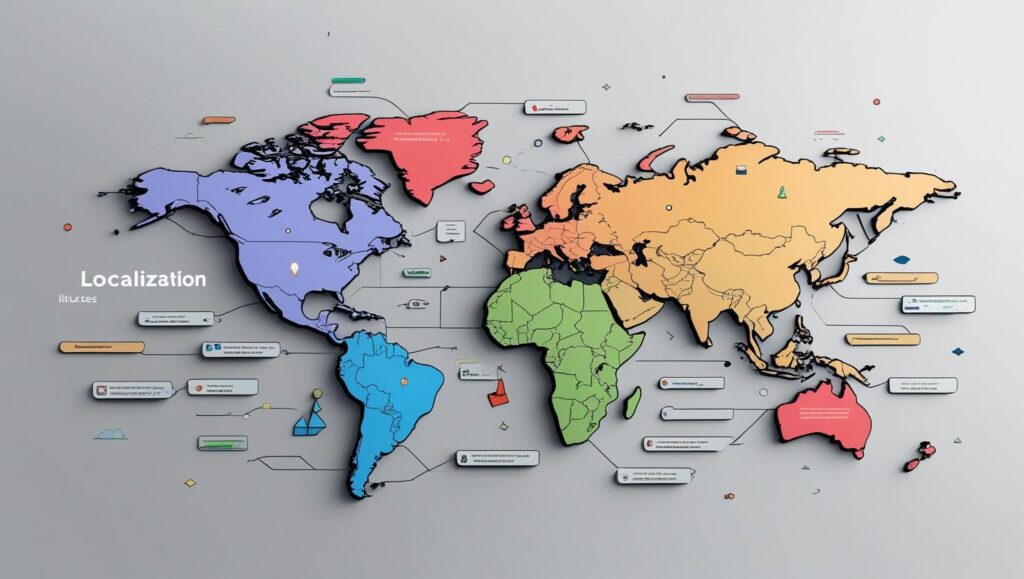
This is where localisation services help businesses out. The providers of this service, like Beyond Translation, help transform a global brand message into something that feels native to a customer’s culture, language, and daily life. Localisation involves adapting cultures, understanding customer preferences, and personalising marketing strategies to make customers feel seen and valued.

In this blog, we’ll dive deeper into what localisation really means in marketing, why it matters, and how businesses can use it to turn global reach into genuine local impact.

What is Localisation in Marketing?

At first glance, many people assume localisation is just about translating words from one language to another. But it’s a lot more than that. Translation communicates the meaning of words, but localisation makes sure the overall experience feels natural in the target market.

For instance:

  • A direct translation of an English slogan into Spanish might make sense grammatically but sound awkward or too formal for local audiences.
  • A colour that means good luck in one country may mean the opposite in another.
  • Humour that works in one country may fall flat or even be offensive in another.

Localisation takes into account language, culture, traditions, images, and pricing to create marketing campaigns that customers can relate to on a personal level.

Why Localisation Matters in Marketing

Why Localisation Matters in Marketing

Localisation plays an instrumental role in marketing by:

1. Building Emotional Connection

Customers are more likely to connect with a brand that speaks their language and understands their culture. When people feel a campaign was created with them in mind, businesses can build trust and loyalty more quickly.

2. Reducing Miscommunication and Risks

Poorly localised campaigns are more likely to backfire. Many global companies have faced embarrassing situations where incorrect translations and cultural oversights put a dent in their reputation. With localisation, your message doesn’t get lost or misunderstood.

3. Improving Conversion Rates

Even if your product is the best in class, customers won’t buy it if the marketing feels foreign or irrelevant. Localised websites, ads, and packaging increase comfort and confidence, which directly influence purchase decisions.

4. Staying Ahead of Competition

In crowded markets, localisation can be a strong difference-maker. If two global brands enter a new country, the one that adapts better to local culture usually earns trust faster, even if it isn’t as popular as its competitor.

Key Elements of Effective Localisation

For localisation to work effectively, businesses need to consider different elements:

1. Language and Tone: Literal translation is not enough. Apart from it, you need the right tone, style, and expressions used by locals in daily conversations. For instance, British English and American English share a language but differ in vocabulary (e.g., lift vs elevator).

2. Cultural Sensitivity: Colours, gestures, and symbols carry different meanings around the world. This is why marketing campaigns must show respect to local traditions, festivals, and social norms.

3. Content Adaptation: Localising is all about reworking the entire message, which includes images, examples, jokes, idioms, and references. When done properly, the content feels native, which makes it easier for the audience to resonate with the brand.

4. Payment Systems and Pricing: Offering prices in local currency and using payment methods preferred in that region makes customers more comfortable and willing to buy.

5. Design and Layout: Some languages take up more space on a page, while others, like Arabic, are read from right to left. Advertisements and websites need to adapt to these differences and create content accordingly.

Building a Strong Localisation Strategy

Here’s how you can build a strong and effective localisation strategy for your business:

1. Research the Market: Learn about the local culture, buying habits, language nuances, and customer expectations. The better you understand your target market, the more authentic your localisation will be.

2. Work with Local Experts: Native speakers and cultural experts, like those at Beyond Translation, can point out details outsiders often miss. They make sure campaigns sound natural, not forced.

3. Test and Iterate: Before a full-scale launch, test your localised content with a small segment of the target audience and gather feedback for improvements.

4. Monitor and Adapt: Keep tracking the performance of your localised campaigns and be ready to make adjustments based on consumer feedback and market trends.

5. Stay Consistent with Brand Identity: When you’re adapting for local markets, don’t lose sight of your brand’s core values. Customers should still recognise the global brand identity even when messaging feels local.

Challenges in Localisation

Challenges in Localisation

Localisation is powerful and effective. However, it does have its fair share of challenges, which include:

1. Cultural Sensitivities: Misunderstanding cultural nuances can lead to marketing blunders. For instance, certain colours or symbols may have different connotations in various cultures.

2. Complexity: Managing multiple versions of campaigns across regions can be difficult without strong project management.

3. Risk of Losing Brand Consistency: Too much localising may dilute brand identity if companies forget to keep global values intact.

Why Work with Beyond Translation?

Top services like Beyond Translation help you adapt your messages to suit all target markets, cultures, and audiences around the world. Their experts work closely with you to gain a deep understanding of your business, service, or product, as well as your target market and audience. They regularly review your content for accuracy and help you achieve your commercial goals.

To make sure your brand’s message is being spread properly, Beyond Translation provides a range of localisation services, including website content localisation, software localisation, social media localisation, blog localisation, and localisation for SEO.

Final Thoughts

Behind every globally successful brand lies an effective localisation strategy. This is because localisation bridges the gap between international reach and personal connection. It helps businesses speak not only the language of their customers but also to their hearts.

When implemented well, localisation makes the product feel like it truly belongs to the community, not just imported from abroad. And in marketing, belonging often makes the difference between a one-time buyer and a lifelong brand advocate.

So, are you ready to see your global brand truly shine? Contact Beyond Translation for state-of-the-art localisation services and witness the difference yourself!

Common Mistakes to Avoid When Choosing an Audio Transcription Service

Imagine you’ve just finished conducting a series of important interviews for your research project, or perhaps you’ve recorded hours of business meetings that contain critical information and decisions. Now comes the task of converting all the spoken content into written text. Audio transcription services help achieve the same. They aim to turn your audio recordings into shareable, functional documents.

However, opting for the right transcription service isn’t as straightforward as it might initially seem. Many people approach this decision without fully understanding the differences between good services and disappointing ones. The consequences of a poor choice are costly, with your projects getting delayed, time being wasted, and sensitive information being compromised.

Let’s break down the most common mistakes people make when they select audio transcription services and how you can avoid them to ensure precision and professionalism.

1. Focusing Only on Price

It’s tempting to go for the cheapest option, especially if you have a large number of files to transcribe. But here’s an important thing to keep in mind: just like with most services, you often get what you pay for. Low-cost transcription services usually compromise on quality through cost-cutting measures or by using automated software with minimal human oversight. Because of this, your transcript can be full of errors, misinterpretations, or missing content altogether. To make matters worse, cheap services could also come at the cost of security and/or customer support.

Solution: Look for a balance of affordability or quality. There’s no need to spend a fortune on a highly expensive service; if you’re getting a good deal for an efficient service, there’s nothing better than that. Read reviews, request samples, and compare what’s included in the package, like proofreading, timestamps, or formatting.

2. Overlooking Turnaround Time

Turnaround time is a crucial factor to consider, especially if you’re working under tight deadlines. Many people choose a transcription service without thinking about how long it will take to receive the final transcript. As a result, they end up being disappointed when it takes longer than they thought.

Solution: Always check the service’s turnaround options. Many providers offer different delivery speeds (standard, express, rush) at various price points. Be clear about your deadlines and make sure the service can meet them before you finalise your decision.

3. Ignoring Data Security and Confidentiality

Audio Transcription Service

One of the biggest mistakes is not considering how transcription services handle your data. Audio files often contain sensitive information, such as client details, business strategies, or confidential conversations. If the transcription service doesn’t have strong security measures in place, your data could be at risk.

Solution: Choose a transcription service that prioritises confidentiality. Look for features like secure file upload and storage, NDA (non-disclosure agreement) policies, encrypted communication, and in-house transcribers.

4. Not Checking Accuracy Rates

Accuracy is everything in transcription. Even a small mistake can change the meaning of a sentence or cause confusion. Despite this, many people don’t check how accurate a service’s transcriptions are before signing up.

Solution: Look for transcription providers who offer at least 98% accuracy or higher. Also, check if they provide human-edited transcripts. Automated transcription tools might work for basic audio, but they often struggle with multiple speakers, accents, or background noise.

5. Neglecting to Ask About Revisions

Even with the best transcription services, mistakes can happen sometimes. But what happens when you spot an error in your transcript? This is where proofreading comes into play, a service that some agencies provide, while others don’t.

Solution: Check the provider’s revision policy before you purchase their services. A good service should be willing to make corrections if something isn’t right. This shows they care about customer satisfaction and quality assurance.

6. Overlooking Other Languages

Overlooking Other Languages

Suppose you require an audio in Spanish or French to be transcribed. However, the company doesn’t excel in transcribing audio in any other language besides English. This not only wastes your money but also causes you inconvenience.

Solution: Look for transcription companies that offer their services in multiple languages. Some agencies, like Beyond Translation, provide audio transcription services in over 160 different languages.

7. Not Testing the Service First

Choosing a transcription service mindlessly can be risky. Without trying it first, you will never know whether or not it meets your quality standards, handles your type of audio well, or delivers the final work on time.

Solution: See if the company offers free trials or sample transcriptions. Send in a short audio clip and assess the result. Look at formatting, punctuation, speaker labels, and overall accuracy. This test run can help you make a more confident choice.

8. Ignoring Customer Support

When you’re working with deadlines or sensitive material, quality customer support is a must. Some transcription services provide only email support with slow response times, which can be frustrating if you have questions or concerns.

Solution: Look for services that offer responsive support via phone, live chat, or email. Read customer reviews to check their problem-solving skills and the way they handle communication. Reliable support shows the company stands behind its service.

Why Choose Beyond Translation?

At Beyond Translation, we provide translation services in Melbourne and also specialise in audio transcription. Our professionals understand that transcription is not just about typing out audio but also about capturing meaning, context, and cultural nuances accurately. We ensure complete accuracy, even for complex and technical content.

Here’s why you should opt for our services:

  • Confidentiality and security backed by industry-grade encryption
  • Fast turnaround options for urgent projects
  • Affordable pricing without compromising quality
  • Human-reviewed transcriptions to maintain clarity and accuracy
  • Dedicated customer support for a smooth and professional experience
  • Specialisation in industries including legal, medical, academic, media, and business

Final Thoughts

Choosing the right audio transcription service requires careful consideration of multiple factors apart from just price. Remember that transcription is an investment in your project’s success. Take your time to evaluate providers thoroughly, understand their processes, and communicate your requirements clearly. You will reap the benefits of a high-quality transcription service provider.

So, are you ready to turn your audio into clear and usable text? If so, professionals at Beyond Translation are there to help you out, whether you need one-time support or long-term transcription services. Connect with us now!

9 Things to See in Your Interpreting and Translating Company

The globe has 195 countries speaking around 7151 officially recognized languages. In order to do online business, study, and exchange words, someone has to know both languages.

Therefore, selecting a certified interpreting and translation company is essential for accurate and effective communication, particularly in a diverse and multilingual city like Australia. Here are ten essential factors to remember when making your choice

Confidentiality: In the world of translation and interpreting, confidentiality is of the utmost importance. A reputable company prioritizes the protection of all sensitive information and maintains strict confidentiality throughout the translation process. Your personal, legal, or business documents will be translated with complete discretion and security.

No hidden costs: When choosing a language translation agency, pricing transparency matters the most! A trustworthy company will provide clear quotes with no hidden costs. This ensures that you know exactly what you’re paying for and avoids any unpleasant surprises when it comes time to pay the bill.

Quality Assurance: Quality is an important aspect of translation services. Look for companies with NAATI-accredited translators. These companies meet strict industry standards set by the National Accreditation Authority for Translators and Interpreters, and accreditation is a strong indicator of their commitment to accurate, quality translations.

Professional and Expert Translators: When you choose a language translation agency, it is important to ensure their professionalism. A reputable company always hires professional translators with extensive experience and proficiency in both the target language and the specific subject matter.

Fast Quotation: Quality and speed are two main requirements in translation services. Therefore, a responsive company will provide quick and accurate quotations for your translation needs. This will help you move forward with your project without unnecessary delays.

Always Available: Reliable customer support is a key feature of a good translation agency. The company should be easily accessible 24*7. This availability ensures that you can receive timely assistance and updates on your translation projects whenever needed.

Modes of communication: Flexibility in communication is important for a smooth client experience. Choose a language translation agency that accommodates your preferred interaction method through phone calls, messaging, or face-to-face meetings. This flexibility helps facilitate effective communication and project management.

Proficiency in Different Sectors: A company with a broad range of expertise across various sectors, such as education, business, government, tourism, and real estate, can handle diverse translation needs with precision. This proficiency ensures that translations are accurate to the specific context of each industry.

Multiple Language: An extensive language service is essential for meeting diverse translation needs. A language translation agency that offers services in hundreds of languages can cater to a wide range of linguistic requirements. Whether you need translations in widely spoken or less common languages, their comprehensive language capabilities ensure that all your needs are met.

Conclusion

Choosing a certified interpreting and translating company is crucial for achieving clear and effective communication. Beyond Translation stands out for its strong commitment to confidentiality, transparency, and quality. With NAATI-accredited translators and a wide range of services, we offer reliable and professional solutions for all your translation and interpreting needs. To experience our expertise and efficiency, contact us today at info@beyondtranslation.com.au or call 03 9972 5433. Let us help you bridge the language gap with confidence and skill.

How Can Foreign Voice Overs Improve Your Content Reach?

When dealing with partners, investors, and customers, you must use the best content, including images, videos, and audio. In the present day, foreign voice-overs are not just limited to the television industries. They are also used for online branding and marketing. This is why it is important to know how voice-overs are the best strategy to increase the reach of your content.

Professional voice overs can be used in your content to make it sound more compelling.  A translation and interpreting agency can help you create quality multimedia content. Let us dig deeper into how voice overs attract more traffic to your website.

What is foreign voice over, and where can it be used?

Foreign voice over means changing the audio language of your content or video. Also called dubbing, voice overs are used for TV shows, movies, educational videos, video games, and more. It can also be used in digital marketing as:

Promotional Videos:  A voice over can help your company’s promotional video reach a global audience.  A native speaker will add a familiar accent and dialect to make your message impactful and likable.

E Learning Modules: If your company has a e learning modules about the product or service, you can use voice over text to give the viewer a complete experience. Voice overs are better as not everyone can read the video subtitles.

Audio Books: Translating your book into different languages is not enough. You must also make the audio books available in different languages. This will also add people with reading disabilities to your audience.

Social Media Campaigns: An advertisement or product campaign attracts more attention when the language is understandable by the viewer. Foreign voice overs help the customers to make an emotional connection with campaign and brand.

Three Reasons to choose multilingual voice overs:

International recognition: Multi lingual voice overs are a necessity in our globalized world. When content and video audio are available in different language voiceovers, you earn an international audience. This is important for brands wanting to expand their business and feel heard by international clients.

Ranking on top search results: A foreign voice over artist can breathe your content a new life with same accuracy, context and cultural relevance. This way you contribute to content localization which is a key to ranking on the top search engine results and increasing the website traffic.

Content sharing: Adding an audio or video to a blog or website contributes to longer on page time. Suppose you are a nutritionist who shares healthy diets and exercise plans. Having audio or a video of this information in different languages will connect you with people from different regions and increase the chances of content sharing.

Choosing the Right Voice Over Artist for Your Brand

If you are a business with a digital market campaign, you must create a foreign voice over to reach a global audience. A translation and interpretation agency can be your best partner in audio content localization. Make sure to connect with a licensed and NAATI-certified agency to avoid any mistakes and errors.

You can’t understand voice overs done in other languages but you can hire a professional to get the best results.

Conclusion:

If you want to hire a professional translation service in Melbourne, Beyond Translation is your best option. We provide translation and interpretation services in more than 190+ languages. You can also hire our interpreter for face-to-face interpretation services. Reach out to us with your brand story and let us discuss how we can help you provide your customers with a better content experience.

Are You Looking for Quality Foreign Voice Overs & Translation Services in Australia?

The entertainment industry is growing fast, and foreign voice over services are playing an important role in it. With each day passing, these companies are redefining standards and adapting to new technologies. Voice-overs also put personality into corporate messages and help to form a human connection in foreign exchanges that otherwise lack meaning. Whether you are producing a video, audiobook, or any other kind of audiovisual content, you need to find the right voice to make sure your message is well received. In this blog, we will explain the main points of Australian foreign voice-over and translation services and much more.

Key points to look at in voice-over company

Voice-over means recording content in a voice for media production that includes films, video games, TV commercials, series, etc. Here are some things you must be looking for while hiring a company for the same:

NAATI Certification: Make sure the company you are hiring is accredited by NAATI, which is National Accreditation Authority for Translators and Interpreters. Certified voice over artists provides quality recordings and voice dubbing that best match the video and original audio.

Voice Over Talent:  An entertainment agency requires native speakers to make voice-over recordings in different languages, accents, and styles. This is why you must always hire a translation agency with talented and experienced voice over artists.

Diverse Language Options: An international company caters to a global audience and, therefore, requires voice-over and translation services in different languages, such as Chinese, Arabic, Korean, Italian, French, and Spanish.

Current trends in foreign voice over services

The working area of foreign voice-over companies is evolving fast with growing technology and digitalization. Here are the current trends and innovations to help you understand why you need to work with a company that provides up-to-date services using advanced technology.

Remote recording: With everything being digital, foreign voiceovers can also be done from anywhere. Artists can record the content from a remote location without hampering the production. For example, you are a YouTube artist in the US. You can hire a foreign voice-over company in Australia and get your audio in other languages.

Real-time voice modulation: Voice modulation technologies have improved so much that they can now be performed in real-time. This comes in handy when you need live voice-over services for broadcasts, virtual events, and gaming.

Collaborative Ecosystems: Partnerships with voice-over and translation services are growing. Instead of outsourcing voice-over artists, businesses now prefer to work with an agency for long-term benefits and quality services. These collaborations with content creators, tech companies, and international businesses have created a standard for voice-over services in the market.

Conclusion: Localization and personalization in content are opening up new possibilities for the entertainment and digital marketing industries. If you want to hire foreign voice over services in Australia, Beyond Translation has over 2,500+ voice-over artists delivering services in more than 160+ languages. Reach out to us for anything from script translation to linguist and functional testing and pronunciation guide creation. Contact us to discuss your project needs now!