How to Choose the Right Translation Partner for Your Travel Agency?

We welcome millions of tourists and visitors to Australia every year. Not to forget that Australians themselves are always keen to hop on a plane for their next trip. It’s no wonder the travel industry here is thriving. But here’s the thing: globally, it is difficult for tourism businesses to rely only on English to connect with travellers. Yes, language plays a bigger role than you think when it comes to building trust and turning browsers into bookings.

This is why the right translation service can bring tons of benefits for Australian travel agencies. The goal isn’t just to convert words from one language to another. It’s to help travellers feel welcome, understood, and excited to book their stay with you.

So, how do you choose the right translation partner for your travel agency in Australia? Let’s break everything down.

Why Translation Matters in Travel

Imagine launching an exciting campaign about adventure holidays in Queensland, only for the translated version to sound robotic or outdated. The right translation partner will make sure this doesn’t happen. It’s not just about swapping words from English to other languages; it’s about sharing your brand’s personality, warmth, and professionalism across languages.

For Australian travel agencies, translation also plays a key role in:

1. Capturing International Audiences: Accurate translations help your website and brochures appeal to foreign tourists researching destinations before they visit Australia.

2. Improving Booking Conversions: Travellers are more likely to book when the information is presented clearly in their mother tongue.

3. Avoiding Misunderstandings: Poor translations can lead to confusion around dates, costs, or inclusions, which is something no business wants.

4. Enhancing Cultural Respect: Good translation conveys sensitivity to cultural nuances, helping create authentic experiences from the first click to the final check-in.

This is why working with a professional translation service, not an automated app, makes such a difference in the tourism sector.

Choosing the Right Translation Service for the Travel Industry

Translation Partner

Here are the things you need to keep in mind when deciding which translation service is right for you:

1. Look for Specialists in the Tourism and Travel Sector

Travel content is unique. You’re not just describing a product; you’re selling an experience. The right translation partner should understand tourism trends, travel jargon, safety terms, cultural nuances, and even how Australians speak.

Professional Translation agencies like Beyond Translation bring years of hands-on experience across a wide mix of travel sectors, including airlines, car rental services, hostels, and travel booking platforms. Their translators don’t just convert text; they also localise promotional materials so they genuinely resonate with different markets.

When reviewing a potential partner, ask about the projects they’ve handled. Real-world experience means fewer errors and smoother collaboration.

2. Choose a Partner Who Offers Culturally Accurate Translations

Two countries may speak the same language but have different cultural expectations. A successful travel brand communicates in a way that resonates with its audience’s lifestyle, holidays, and humour.

For example, while Australians might be drawn to terms like “holiday deals” or “weekend getaways,” a traveller in Japan might respond better to phrasing that focuses on group activities and relaxation. Professional translators trained in cultural adaptation know how to personalise these details.

Your translation partner should go beyond simple words and understand cultural motivations. It’s about crafting content that feels familiar and trustworthy to each audience.

3. Confirm Their Translation Process Is Quality-Assured

A quality translation partner will have a structured workflow that includes professional native-speaking translators, proofreading and editing, and a final quality review before delivery.

Ask if they use:

  • Style guides to maintain your brand tone across languages
  • Glossaries for consistent use of travel terms
  • Translation Memory tools that save you money on repeat content

Beyond Translation follows strict quality control procedures, using native translators who specialise in tourism. This ensures accuracy, especially for important documents like travel itineraries, insurance details, and safety instructions.

4. Check Their Language Range

Australia welcomes tourists from all over the world, including China, India, the UK, Southeast Asia, Europe, the Middle East, the USA and more. That means you may need translations in multiple languages, not just one.

Your translation partner should support major languages such as:

  • Mandarin and Cantonese
  • Japanese and Korean
  • Hindi and Arabic
  • Spanish, French, German, Italian and others

If your agency targets multiple markets, look for a partner that supports 100+ languages, like Beyond Translation. This lets you scale easily as your audience grows.

5. Make Sure They Understand Online & Digital Platforms

Travel marketing today is highly digital. Most customers will discover you through:

  • Social media
  • Online ads
  • Travel booking websites
  • Reviews and travel blogs
  • Email campaigns

Your translation partner should be experienced with SEO for international markets, multilingual website translation, app and software localisation, and social media content for international travellers.

A translated website can increase your booking conversions massively, as customers feel more confident when reading information in their native language.

How Beyond Translation Makes a Difference

Beyond Translation comprises a team that truly understands tourism and what attracts travellers to Australia. Here’s what makes us stand out:

1. Industry Expertise: We specialise in the travel and tourism sector, making sure your content remains engaging, accurate, and culturally relevant for global audiences.

2. Native Translators from Around the World: Translations are handled by professional, native-speaking linguists who understand the subtle differences in tone, culture, and travel preferences.

3. Fast and Flexible Turnaround: Travel promotions change fast. Beyond Translation is equipped to manage urgent requests while maintaining high quality.

4. Wide Language Coverage: From Mandarin and Arabic to French, German, and Hindi, we support 100+ languages, helping you expand into new global markets with confidence.

Final Thoughts

Choosing the right translation partner for your travel agency is about trust, expertise, and alignment with your brand goals. The ideal partner will make your content sound natural, inspiring, and globally appealing, no matter the language.

With its proven experience across the tourism and travel sector, Beyond Translation is a trusted choice for Australian agencies ready to explore new global markets. Visit now to know more about our translation services.

With a focus on cultural knowledge, accuracy, and client collaboration, the right translation partner is sure to make the world truly become your marketplace.


Medical Translation: A Complete Guide for Hospitals

The healthcare sector requires skilled doctors and surgeons to carry out operations and surgeries and aid in recovery from diseases, illnesses, and injuries. But there is one more important factor that can literally save lives: clear communication.

Australia is home to one of the most culturally diverse populations in the world. This is why hospitals and clinics face the constant challenge of providing quality care to patients who speak little or no English. A solution to this growing challenge is medical translation. Yes, this service allows everyone, regardless of their first language, to understand their diagnosis, treatment, and health information.

This blog walks you through what medical translation involves, why it’s important in Australian healthcare, and how professional services like Beyond Translation make all the difference in maintaining accuracy, compliance, and compassion in medical communication.

Why Medical Translation Matters in Australia

Australia’s healthcare system is built on the idea that everyone should have access to quality care. According to the Australian Bureau of Statistics (ABS) 2021 Census, 5.6 million people (22% of the population) in Australia reported using a language other than English at home. This shows there are many people who may need language support when visiting a doctor, hospital, or aged care facility.

When a patient can’t clearly communicate their symptoms or understand their treatment plan, it can lead to serious consequences, including misdiagnoses, medication errors, and emotional distress. With medical translation, important documents like patient records, consent forms, prescriptions, and discharge summaries are accurately translated into the patient’s preferred language.

But it’s not just about helping patients. Accurate translation also protects hospitals and healthcare professionals from legal and ethical risks. In a highly regulated environment like healthcare, even a small translation error can have major implications for compliance and patient safety.

Why Hospitals Should Use Professional Medical Translators

Why Hospitals Should Use Professional Medical Translators- https://beyondtranslation.com.au/

When dealing with something as critical as health information, there’s no room for guesswork. Relying on bilingual staff members, Google Translate, or general translators can lead to costly mistakes.

Here’s why hospitals should always work with professional medical translators:

1. Accuracy and Consistency

Medical terminology is one of the most complex areas of language. Words that sound similar can have completely different meanings in a clinical context. For example, translating “hypertension” or “lesion” incorrectly could drastically alter a diagnosis or treatment plan.

Professional medical translators are trained to handle this level of detail. They’re familiar with clinical vocabulary, terminology, abbreviations, and pharmacological terms. They also maintain consistency across all translated materials, whether it’s patient discharge notes, medication labels, or research documents.

2. Confidentiality and Compliance

Healthcare information is highly sensitive. Most Australian hospitals need to comply with the Privacy Act 1988, as well as the My Health Records Act 2012, which outlines strict rules on how personal health data is collected, stored, and shared.

When unqualified translators or informal interpreters are used, this confidentiality can be easily compromised, even unintentionally. Professional medical translators, however, follow stringent privacy and data security protocols. Reputable translation providers like Beyond Translation use secure systems for transferring and storing files, and their translators sign confidentiality agreements before working on any project.

3. Cultural Sensitivity

In Australia’s multicultural society, healthcare is not just about treating physical symptoms. It’s also about understanding the patient’s background, beliefs, and expectations. Cultural sensitivity plays a major role in how medical information is received and trusted.

A professional medical translator knows how to adapt language in a way that is both accurate and culturally respectful. For example, in some cultures, direct references to terminal illness or reproductive health can be considered taboo. A sensitive translator can find the right tone that maintains honesty while showing empathy and respect.

4. Certified Translators (NAATI Accreditation)

In Australia, the gold standard for translation quality is NAATI accreditation, a certification issued by the National Accreditation Authority for Translators and Interpreters. Hospitals and government agencies often require NAATI-certified translators to make sure that translated documents meet national quality and reliability benchmarks.

NAATI-certified translators are tested for language fluency, subject-matter knowledge, and professional ethics. This accreditation gives hospitals peace of mind that their documents will be accepted by medical boards, government departments, and insurance providers.

Types of Medical Documents That Need Translation

Hospitals and clinics often deal with a wide range of documents that require professional translation. Some of the most common include:

  • Patient information forms and consent documents
  • Clinical trial documentation
  • Discharge summaries and medical reports
  • Laboratory and diagnostic test results
  • Prescription information and dosage guides
  • Health promotion materials (brochures, posters, etc.)
  • Insurance claims and billing records
  • Patient education materials in community health programs

In multicultural cities like Melbourne, Sydney, and Brisbane, many hospitals now make translated materials readily available to improve patient satisfaction and engagement.

What Does the Translation Process Involve?

The medical translation process typically follows a structured approach to ensure precision and quality:

1. Document Assessment

The translation team reviews the document to identify its complexity, medical field (e.g., cardiology, oncology), and target audience.

2. Translation by a Medical Specialist

A qualified translator with experience in the relevant medical field translates the document.

3. Editing and Proofreading

A second linguist reviews the work for consistency, terminology accuracy, and formatting.

4. Quality Assurance

The final document goes through a quality check, often including compliance with hospital requirements or government regulations.

4. Delivery in Preferred Format

The translated document is delivered securely, whether it’s a printed file, PDF, or digital record ready for upload to hospital systems.

How Beyond Translation Supports Australia’s Healthcare System

For over a decade, Beyond Translation has been helping hospitals, clinics, and healthcare organisations across Australia communicate clearly with patients from diverse backgrounds. Based in Melbourne, Beyond Translation provides NAATI-certified medical translation services in over 150 languages.

What sets Beyond Translation apart is its commitment to quality and compliance. Every medical translation goes through a rigorous review process by linguists who specialise in healthcare terminology. The company also understands the urgency that hospitals often face, offering fast turnaround times without compromising accuracy.

Final Thoughts

Medical translation is an essential part of modern Australian healthcare, one that supports both patient outcomes and professional integrity. From ensuring legal compliance to building trust between doctors and patients, accurate translation saves time, prevents misunderstandings, and promotes better care for everyone.

So, if your hospital or clinic is ready to strengthen its communication and improve patient satisfaction,Beyond Translation is your reliable partner in breaking language barriers.

Visit now to learn more about our medical translation services.

Mastering Audio and Video Transcription: What Every Business Needs to Know in 2025

We live in an era where audio and video content is everywhere. There’s a popular saying, “Content is king,” and it applies to every single department, be it podcasts, webinars, client interviews, social media videos, and so on. It’s no wonder Australian businesses can’t stop creating quality content.

But here’s the thing: good content isn’t enough. What’s more important is to make sure it is being understood by everyone. That’s exactly where transcription comes in. Yes, a lot of you might believe it isn’t as vital to your business growth, but it can really be the glue to your success.

So, how does audio and video transcription aid businesses? Here’s everything you need to know in 2025.

What is Audio and Video Transcription?

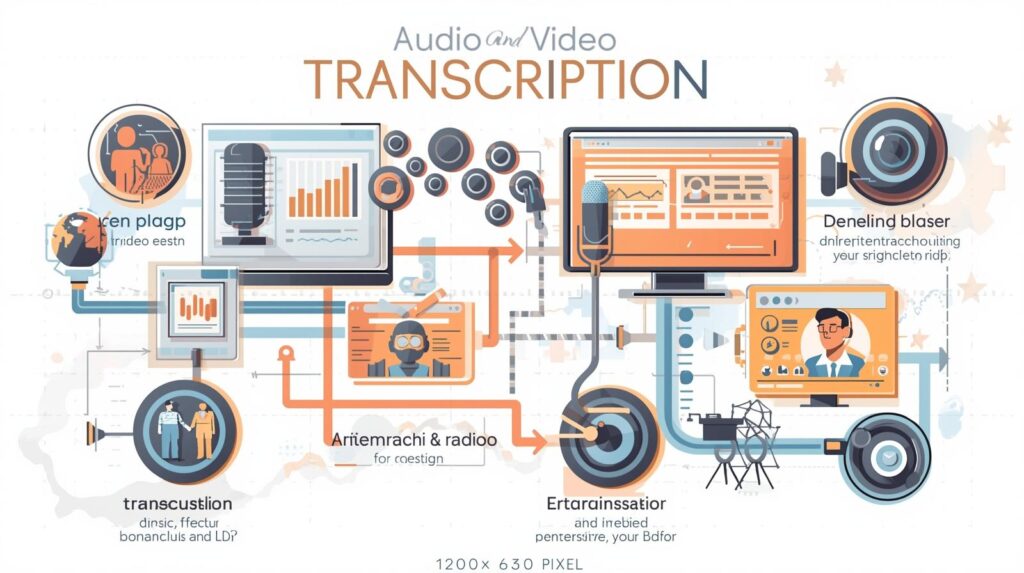
Audio and video transcription is the process of turning spoken words from audio or video recordings into written text. Whether it’s a recorded meeting, group interview, or an important research session, transcription provides an accurate account of everything that was said. The resulting document can be stored, searched, shared, or referenced whenever needed, making it an invaluable resource for all sorts of business activities.

Why Transcription Matters for Australian Businesses

Australian companies need audio and video transcription because of:

1. Better Accessibility & Compliance

In Australia, accessibility isn’t just good manners; it’s increasingly a legal expectation. Making your audio and video content readable benefits everyone: people with hearing impairment, non-native English speakers, or those who just prefer reading. Also, if you’re dealing with government contracts or regulated industries, having transcripts can help with compliance. A clean, accurate transcript shows you’ve taken steps to make content accessible.

2. Search Engine & Content Value Boost

Search engines like Google can’t “watch” a video, but they can crawl text. A transcript helps your audio or video content become searchable, which helps you get better SEO (search engine optimisation). This means more traffic, more engagement, and a better chance your content gets discovered by potential clients in, say, Melbourne, Sydney, or Adelaide.

Apart from that, transcripts let you extract blog posts, social media snippets, and quotes — turning one video into multiple content assets. It’s a force multiplier.

3. Accuracy, Clarity & Record Keeping

Imagine you host a webinar or record interviews. When you have a full verbatim transcript, you can capture every detail without mishearing or relying solely on memory. Later, referring back to exact phrases matters, especially if you’re in legal, finance or running formal training.

You also gain better control over your content: you can track edits and revisions and maintain accountability.

4. Translation & Localisation

If you ever plan to repurpose content for international markets (or multilingual audiences), transcripts are your starting point. Translators or localisation teams prefer transcripts to work from. If your base transcript is high-quality, the translated version will be far more accurate. That means less rework and better ROI.

Types of Audio/Video Transcription

Audio and Video Transcription Services

There are two main types of transcription: verbatim and intelligent. Let’s break them down:

1. Verbatim Transcription: Verbatim transcription is a word-for-word account, including every “um,” “ah,” pause, and non-verbal sound. This is perfect when absolute accuracy is key, such as in legal or police interviews, medical consultations, or academic research. Every nuance is included, which can be vital evidence or documentation down the track.

2. Intelligent Transcription: Intelligent transcription gives you a clean, easy-to-read record by removing unnecessary non-verbal expressions or filler words. This style is handy if you’re looking to review meeting outcomes, share training summaries, or circulate business presentations. It saves time and helps readers focus on what matters.

Common Uses of Transcription in 2025

Australian businesses use transcription services in a surprising variety of ways. Here are some of the most common scenarios:

1. Research Interviews

Transcription services are a boon for research-focused industries in Australia, especially universities and corporate market research firms. Focus groups, interviews, and online discussions are recorded, and services like academic or market research transcription turn these recordings into precise, readable documents. This enables researchers to analyse insights thoroughly and ensures that no important data is missed.

2. Medical Practices

Doctors, clinics, and healthcare organisations rely on transcription to convert spoken notes, patient appointment recordings, and specialist presentations into clear, written medical records. This process saves clinicians significant time while ensuring records are complete, accessible, and compliant with legal standards.

3. Legal Sector

The legal field, including law firms, courts, and police, depends heavily on perfectly accurate transcribed statements, hearing notes, evidence interviews, and legal arguments. With Australia’s regulatory frameworks and court system, transcription guarantees a verified, tamper-proof written record for proceedings, appeals, and compliance. Agencies like Beyond Translation that provide legal translation services are well-versed in legal terminology and make sure that sensitive information is handled under strict confidentiality protocols.

4. Finance Teams

Financial institutions and business teams turn to transcription for documenting meeting minutes, Q&A sessions, annual general meetings, earnings presentations, and compliance discussions. Transcripts create a traceable audit trail to meet regulatory obligations and internal governance standards.

5. Media and PR

For journalists, broadcasters, PR professionals, and digital media agencies, transcription is indispensable. Recording and accurately transcribing press conferences, interviews, and public announcements allows content creators to quote sources correctly, repurpose material, and publish fast.

Key Benefits

Video and audio translation is much more than outsourcing admin tasks. Australian companies see several benefits:

1. Boost Productivity

Transcription services free up staff from tedious tasks like repeatedly listening to audio files or frantically jotting down notes during meetings, allowing them to focus more time and energy on high-value work that drives business outcomes.

2. Improve Accuracy

Human error is reduced when spoken content gets turned into precise written records, which means greater compliance with regulations and far fewer costly mistakes or misunderstandings. Accurate transcripts also enable staff to review, double-check, and reference exact details at any time.

3. Enhance Accessibility

Written transcripts make your audio and video content inclusive for everyone, including team members with hearing impairments or those who simply absorb information better through reading. It’s a win for diversity, equity, and compliance with accessibility standards in Australia.

4. Support Remote Work

With the rise of distributed teams, easy-to-share transcripts help everyone stay on the same page, no matter where they’re located. Transcription reduces the “catch-up” time for remote workers. It keeps communication clear and consistent across offices or home setups, which enables better teamwork and stronger performance.

Why Work with Beyond Translation?

If you want top-notch accuracy and peace of mind, partnering with a trusted Australian transcription provider is wise. Beyond Translation stands out for several reasons:

1. Expert, NAATI-Accredited Linguists: With over 160 languages covered, their team of Australian-based professionals ensures high-quality output. Many are NAATI-accredited, meaning they meet Australia’s national standards for translation and transcription quality.​

2. Client-First Approach: The team puts customers first, offering on-time delivery, clear communication, and after-sales support known for genuine friendliness.

3. Confidentiality and Security: All transcripts are handled with absolute discretion, which is essential for sensitive material, such as in legal or medical cases.

4. Transparent Pricing: There are no nasty surprises or hidden fees. Clients know what they’re getting and pay only for what they need.

5. Cutting-Edge Tech: Using the latest audio filtering, speech recognition, and workflow software, their processes combine fast turnaround with top accuracy.​

6. 24/7 Customer Support: Need a hand late at night or on the weekend? Beyond Translation’s support is always on hand, making them a reliable partner for tight deadlines and unexpected projects.

Final Thoughts

In 2025, for Australian businesses, both audio and video transcription are the foundation of accessibility, content marketing, record-keeping, compliance, and inclusivity. Needless to say, quality is key, too. You don’t want errors, omissions or weird phrasings undermining your credibility.

If you’re ready to step up and make your audio/video content truly usable, accessible and effective, Beyond Translation’s audio and video transcription service has got you covered. They’re well-suited for Australian users, offer flexible options, and focus on quality, security, and timeliness.

Don’t wait for headaches and inconveniences. Reach out to us and experience how transcription can make life easier for you!

From Phone Calls to Conferences: Where and How Interpreting Services Make an Impact

Australia is a global melting pot, and its diverse population is a key factor in shaping the country. With over 100 languages spoken, it’s quite easy to struggle to get your message across because of a language barrier. As a result, there are many places where people are unable to communicate properly.

Medical consultations, international conferences, business meetings – you name it; efficient communication makes things easier, and one of the best ways to break language barriers is through interpreting. Yes, interpreting services play a huge role in helping Australians connect, understand, and work together, no matter what language they speak. From quick phone calls to large-scale events, interpreters make sure that everyone’s voice is heard and every message is clear.

So, where do these services make an impact? Let’s break it down ahead.

What Are Interpreting Services?

Interpreting is more than just translating words. It’s about conveying the full meaning, tone, and intent of a conversation from one language to another in real time. Unlike written translation, interpreting happens on the spot, through phone, video, or face-to-face interaction.

In Australia, interpreting services are used daily in hospitals, courts, community centres, schools, and even business boardrooms. They bridge the gap between English and Australia’s rich mix of languages, including Mandarin, Arabic, Vietnamese, Hindi, Greek, Italian, and many indigenous languages.

Professional interpreters ensure that everyone, irrespective of their background, can participate fully and confidently in important conversations.

Where Interpreting Services Make an Impact in Australia

interpreting services

1. Healthcare Settings

When someone visits a hospital or clinic and English isn’t their first language, communication errors can have serious consequences. Interpreting services ensure that patients understand their diagnosis, treatment options, and the medications prescribed to them.

In public hospitals across Australia, interpreters are often arranged for non-English speaking patients, either in person or over the phone. This helps doctors and nurses provide better care while respecting cultural and linguistic differences.

Professional interpreters, like those at Beyond Translation, understand healthcare terminology and patient privacy, ensuring sensitive discussions are handled with professionalism.

2. Legal and Government Services

From court hearings to Centrelink appointments, interpreting plays a crucial role in ensuring fairness and access to justice. Australia’s legal system recognises the right to an interpreter, helping people express themselves clearly in their native language during legal proceedings.

Government departments also rely heavily on interpreters to support new migrants, refugees, and multicultural communities. Whether it’s a visa interview or a community consultation, interpreters make sure that everyone is heard and understood.

3. Education

Schools and universities across Australia often work with interpreters to communicate with international students and parents who speak limited English. Parent-teacher meetings, enrolment sessions, and academic support services all benefit from clear communication.

For tertiary institutions with global partnerships or international conferences, professional interpreting ensures collaboration without language barriers.

4. Business and Corporate Settings

Australia’s business world is increasingly international. Companies engage with clients, partners, and suppliers from all over the globe. Interpreting services are essential for business meetings, negotiations, product launches, and conferences.

Corporate interpreters don’t just translate words but also help convey cultural nuances, making tone and etiquette appropriate for each audience. This can make the difference between sealing a deal and losing an opportunity.

Beyond Translation provides expert corporate interpreters who are fluent in both business and cultural contexts, helping Australian companies communicate effectively with their global partners.

5. Events and Conferences

Large-scale events, like international trade fairs, academic summits, or government conferences, often require multiple interpreters working simultaneously. This is known as simultaneous interpreting, where interpreters translate in real-time through headsets as speakers speak.

These interpreters are highly skilled, managing not just words but speed, tone, and context on the fly. For Australian organisations hosting multicultural events, professional interpreting services ensure that all attendees, regardless of language, can participate and engage fully.

6. Community and Social Services

Interpreting also plays an important role in local communities, from helping newly arrived migrants access support services to assisting aged care facilities with residents who speak limited English.

Australia’s multicultural identity means interpreters are often called on by councils, NGOs, and community centres to bridge communication gaps and promote inclusion.

Beyond Translation supports many such initiatives, providing community interpreters who understand both cultural sensitivity and the unique challenges faced by diverse Australian communities.

Different Modes of Interpreting in Australia

Depending on the situation, interpreting can take different forms:

  • On-Site Interpreting: Ideal for hospitals, courts, and meetings where face-to-face interaction is essential.
  • Telephone Interpreting: Perfect for quick or remote interactions, often used in emergency or customer service situations.
  • Video Interpreting: Combines convenience and visual connection, useful for virtual meetings or telehealth sessions.
  • Simultaneous Interpreting: Used for large events, conferences, or seminars where real-time communication is critical.
  • Consecutive Interpreting: Common in small meetings, interviews, or consultations where the speaker pauses for interpretation.

Why Work with Beyond Translation?

Based in Melbourne, Beyond Translation is one of Australia’s leading providers of professional interpreting services. With a team of certified interpreters covering over 100 languages, they work across industries including healthcare, law, business, government, and community sectors.

Their interpreters are accredited by NAATI (National Accreditation Authority for Translators and Interpreters), the Australian standard for professional language services. This means you can trust their accuracy, confidentiality, and professionalism in every assignment.

Beyond Translation also offers flexible options, whether you need an interpreter on-site, over the phone, or via video conferencing. Their mission is simple: to make communication accessible, accurate, and culturally respectful for everyone in Australia.

Final Thoughts

Australia is a place where interpreting services have become more of a necessity than a convenience. From everyday phone calls to international conferences, interpreters help break down language barriers, promote inclusion, and keep communication flowing smoothly.

If you’re a business expanding globally, a healthcare provider serving diverse patients, or an organisation hosting a multilingual event, professional interpreting ensures that your message is clear and your audience is understood.

So, are you ready to partner with reliable, certified, and culturally aware interpreters? Beyond Translation is a trusted name that delivers quality interpreting services across Australia. Contact us now, and we’ll make sure every conversation counts with our full range of interpreting solutions.

From Local Clients to Global Audiences: How Interpreting Services Help Australian Companies Go International

Australia is a nation widely known for its strong local communities and deep international connections. Our influence in tech, healthcare, and education keeps growing, and Australian businesses are no longer just thinking about the local market. They’re planning on expanding outward, toward Asia, Europe, the Americas, and beyond.

But here’s the thing: going global isn’t just about shipping products overseas or launching a website. It’s about communication. Yes, real, human communication. And that’s where interpreting services play a crucial role.

When companies want to expand internationally, they quickly run into language barriers. Sure, English is widely spoken, but not everyone is comfortable doing business in a second language. However, interpreting services are making it easier for Australian businesses to build genuine relationships with global clients. But how? Let’s break everything down.

Why Interpreting Matters for Australian Businesses

Think about how we do business here in Australia. We take immense pride in being down-to-earth, approachable, and respectful. That same attitude carries over when we work with international clients. But to show respect, you have to meet people in their own language.

For example, if a Melbourne-based architecture firm is pitching for a project in Tokyo, having a Japanese interpreter can make a world of difference. Not only does it help get the technical details right, but it also shows the client that you value their culture and want to connect properly.

Or imagine a Sydney health-tech startup attending a trade fair in Germany. Having an interpreter on hand allows you to confidently explain your product, answer detailed questions, and avoid the awkwardness of miscommunication.

Interpreting services don’t just translate words but also build trust. And in business, trust is everything.

Interpreting in Different Contexts

Interpreting is not one-size-fits-all. Depending on the industry, the setting, and the type of conversation, businesses may need different styles of interpreting. Here are a few examples:

1. Consecutive Interpreting: Great for meetings, presentations, or small conferences where the speaker pauses to allow the interpreter to translate.

2. Simultaneous Interpreting: Used in larger conferences or events where the interpreter speaks in real-time, often through headsets, so the conversation flows smoothly.

3. On-site Interpreting: Ideal for face-to-face situations like medical appointments, court hearings, or negotiations.

4. Remote Interpreting: Increasingly popular since COVID-19, allowing businesses to connect with interpreters online via video or phone calls.

Australian companies, especially those based in multicultural hubs like Melbourne, Sydney, and Brisbane, are already seeing the benefits. Whether it’s a university welcoming international students or a tourism business catering to overseas travellers, interpreting services help narrow the gap.

The Role of Interpreting in Going Global

Interpreting Services

So, how exactly do interpreting services help businesses go from serving locals to thriving in global markets?

1. Breaking Down Language Barriers in Meetings

In business, meetings are often where the most important decisions are made, whether it’s signing a new contract, pitching to investors, or negotiating a partnership. When language is a barrier, the risk of confusion and misinterpretation is high.

For instance, let’s say a Sydney-based construction company is having a video call with potential partners in Singapore. Without an interpreter, technical terms might get lost in translation, figures could be misunderstood, or cultural nuances might come across the wrong way. An experienced interpreter smooths this process by relaying the message accurately in real time.

2. Helping with International Trade Shows and Events

Trade shows and industry expos are prime opportunities for Australian businesses to meet international buyers, vendors, and investors. But these events are fast-paced, and language barriers can limit how much you can achieve.

Picture an Australian food exporter attending a trade fair in Tokyo. They’ve got a stand showcasing premium products, but potential buyers only speak Japanese. Without an interpreter, the chance to explain product details, negotiate prices, or answer specific business questions might slip away.

3. Supporting Healthcare and Legal Industries

For sectors like health and law, communication isn’t just about making deals but also about accuracy and trust. A small miscommunication in these industries could have serious consequences.

Imagine a patient at a Melbourne hospital who speaks very little English. If doctors misinterpret what the patient says about symptoms or medical history, the wrong treatment might be given. On the other hand, with an interpreter present, doctors and patients can communicate clearly.

In law firms or courts, precision in language is everything. A misinterpreted word in a contract or during a testimony could impact someone’s legal rights. Professional interpreters make sure every sentence, every phrase, is communicated with the intended meaning.

4. Building Trust with Clients and Partners

One of the underestimated benefits of interpreting is the human side — building trust. Business is all about relationships. And relationships often grow stronger when you take time to communicate in someone’s own language.

For example, if a Queensland company is pitching to clients in the Middle East, showing up with a professional Arabic interpreter sends a clear message: “We value you enough to make sure we understand you properly.” That level of respect can make international clients feel comfortable, respected, and more willing to do business.

How Beyond Translation Helps Businesses Expand

Expanding into international markets involves making sure your message lands with impact, no matter what language your audience speaks. That’s exactly where a trusted partner like Beyond Translation comes in.

Beyond Translation focuses on making communication feel natural, accurate, and culturally appropriate. If your business is entering a new market in Asia, setting up a partnership in Europe, or attending a trade fair in the US, their interpreting services can give you confidence that your message lands the way you intended.

What makes them stand out is their focus on quality and adaptability. With a team of professional interpreters across different industries, they can handle highly technical subjects as well as everyday communication. And because they’re local, they understand how Australian businesses operate and what it takes to succeed internationally.

Final Thoughts

For Australian companies, going global is a chance to share their values, ideas, and products with the world. Interpreting services are the bridge between local businesses and global audiences. They help avoid costly misunderstandings, build trust, and open doors to long-term partnerships. And with expert support from professional interpreters, businesses can take on the world with confidence.

So, if you aim to take over the international market, Beyond Translation is here to make your dreams come true. Contact us now for state-of-the-art interpreting services.

From Script to Broadcast: The Process of Professional Foreign Voice Overs

Businesses and content creators across several industries and genres are now thinking beyond borders. Imagine running a media and entertainment company; if you want to make your TV shows accessible in Japan, dubbing them into Japanese is a must.

Similarly, an Australian travel vlogger needs to publish their content in French, German, Spanish, and Italian if they’re looking to grow their viewership in Europe. This shows that relying on English alone is no longer enough. If you want to expand internationally, your content needs to be accessible in dozens of foreign languages.

Foreign voice-overs have emerged as the game-changer in terms of content globalisation. They help your content sound natural, credible, and engaging in any language. At Beyond Translation, we understand the struggles associated with non-English speaking audiences. If you want to know exactly how a foreign voice-over project comes together, from the first script to the final broadcast, you’ve come to the right place. Let’s take a closer look at the process.

Why Foreign Voice-Overs Matter

Almost one-third of Australians were born overseas. With a plethora of languages spoken in the country, Australia is a true melting pot. Because of this, reaching multilingual audiences has become more important than ever before. If a local company wants to expand beyond the English-speaking crowd or an agency needs to sync a campaign for Melbourne’s multicultural festival, professional voice-overs in a range of languages make it possible.

From Special Broadcasting Services (SBS) to corporate podcasts, foreign voice-overs are everywhere. But what makes them truly effective isn’t just translation. It’s also about capturing tone, nuance, and emotion, just as you’d hear from any local on the street.

The Process of Foreign Voice-Overs

Here’s the detailed process used by foreign voice-over professionals:

Step 1: The Initial Brief

Every great project begins with a proper brief. The voice-over team starts by having a chat with the client to get a clear idea of what’s needed. In this stage, local businesses and agencies share the purpose (say, a TV ad for a footy event, or health info for overseas students). The team asks questions about audience demographics, branding, and cultural in-jokes so that the end result will feel right at home, not just translated.

Step 2: Script Consultation

Once the briefs are sorted, it’s time to move to script consultation. This is where language experts make sure the words chosen will ring true for native ears. For instance, translating “arvo” (afternoon) or other Australian slang for Chinese audiences might involve picking similar local phrases that don’t lose meaning.

Professional script translators, backed by NAATI accreditation, review the copy for cultural differences, keeping syntax and meaning spot on. They help steer clear of common pitfalls.

Step 3: Translation and Formatting

The translation process isn’t just about swapping words from English to Arabic or Italian; it includes adapting jokes, puns, and local references with an honest touch. The team reformats scripts, time-codes them for video or radio, and creates pronunciation guides for tricky local names. This meticulous work ensures voice actors won’t trip on local place names and terms familiar to Australians.

Step 4: Casting Native-Speaking Voice Actors

Australia’s multicultural market demands true-blue authenticity, so every voice over is performed by native speakers from the target culture, whether it’s Hindi for Melbourne’s Indian community or Mandarin for Sydney’s Chinese population. At Beyond Translation, all voice actors have at least two years of professional experience and a record in top-notch studios to guarantee crystal-clear sound.

Step 5: Recording in Australian High-Quality Studios

Voice-over sessions happen in state-of-the-art studios around Australia. The aim is to deliver audio fit for broadcast, whether it’s late-night radio, TV, or online channels. Sessions are supervised by engineers who have thorough knowledge and expertise. They adjust acoustics for clarity, check levels, and edit out background noise.

Step 6: Linguistic and Functional Testing

After recording, quality assurance specialists run linguistic and functional tests. This involves checking that the finished product matches the brief. It should sound natural to native listeners, have all the time codes in place, and pronounce Australian terms perfectly.

Testing includes subtitling and closed captions, which makes content more accessible for Australians with hearing needs or language learners. The team works to guarantee everything from script to sound is top-notch by using proven technology and experienced editors.

Step 7: Client Review and Feedback

When the initial recording is complete, the client gets to review and request tweaks. Whether it’s a subtle change in intonation (more casual, less formal), a new sound effect, or even re-recording a single phrase for sharper local appeal, edits are made until the client is satisfied with everything. This step also includes checks on confidentiality, which is something every business appreciates.

Businesses That Require Foreign Voice-Overs

Foreign Voice

There are many businesses where foreign voice-overs are a necessity. These include:

1. Media Agencies: Multinational ad campaigns for sporting events, festivals, and major brands require voice-overs in Mandarin, Italian, Greek, and more. This helps reach newcomers and maintain top production values at the same time.

2. Education Providers: Schools and universities offering language courses or remote learning modules need accurate audio content in multiple languages. Voice-overs make lessons engaging for both international and local students.

3. Healthcare: Hospitals and clinics cater to patients from multicultural backgrounds. Voice-overs for patient instructions in Vietnamese, Arabic, or Korean help guarantee safety and comfort.

4. Government and NGOs: Public service messages are translated and voiced to inform all Australians about local policies, events, or emergency protocols.

5. Tech Startups: Apps and interactive websites with multilingual features rely on professional recordings so users across Australia feel included.

Why Work with Beyond Translation?

Beyond Translation offers top-quality foreign voice-over services in Melbourne. Here’s what makes us stand out:

  • Access to 2500+ native talents covering 160 languages, so whatever the audience, there’s a voice that fits.
  • Quality assurance is provided by NAATI-accredited experts, who are familiar with the specific challenges of material for Australian audiences.
  • 24/7 support and after-sales assistance to answer questions or provide extra versions if any change(s) are required.
  • End-to-end management—clients aren’t left in the lurch. The team helps through script advice, casting, reviews, and even post-broadcast testing.
  • Complete confidentiality and transparent pricing, with no hidden fees or nasty surprises when the final invoice comes in.

Final Thoughts

Foreign voice-overs, when done professionally, can become the bridge that connects diverse communities in every corner of Australia. From the script’s first draft through to broadcast on radio, TV, or online platforms, the process involves the collaboration of expert translators, talented voice actors, and meticulous engineers. As a result, you get authentic voices that speak Australia’s many languages and connect brands with audiences in a truly local way.

So, are you ready to make your message heard by Australia’s multicultural communities? Get in touch with the friendly team at Beyond Translation for high-quality, native-voiced recordings in over 160 languages. Reach out to us today!

The Role of Transcription in Making Digital Content Accessible

Australia is buzzing with voices and stories. It’s the world of podcasts, webinars, social media reels, and news videos, and we’re all living in it. These forms of media are heavily consumed by us because of their engaging and powerful nature. However, not everybody can easily access audio or video content. Some may have hearing difficulties, while others might prefer a written summary for added convenience.

This is where audio and video transcription becomes a game-changer. It makes sure every important word is captured and available in written form, no matter the language or accent. So, how does it make content accessible for everybody? Let’s break it down.

What is Audio and Video Transcription?

Audio and video transcription is simply the process of converting spoken words from audio or video files into written text. This can be used for anything from conference calls and work meetings to court hearings and patient interviews. In Australia, this is especially important as our multicultural society speaks many languages and has many unique local accents.

There are two main types of transcription services:

1. Verbatim Transcription: This is a word-for-word copy of everything that was said, including non-verbal sounds like “mmm-hmmm”, “uh”, and even laughs. It is perfect for research and legal settings where every detail might matter.

2. Intelligent Transcription: This version cleans up the speech, removing fillers and distracting noises, to make the transcript more readable. It’s great for business use or when a clean summary is needed without excess noise.

How Does Transcription Make Content Accessible?

Australians are socially diverse, with many cultures, languages, and communities. There are also people with hearing impairments, those for whom English isn’t their first language, and folks in remote or rural areas where access to resources can be trickier. Transcription helps bridge gaps in accessibility and inclusion. Here’s how it makes content accessible to all audiences:

1. Accessibility for the Deaf and Hard-of-Hearing

In our society, making sure everyone can access content is a basic value. Transcripts let those who are deaf or hard of hearing follow online talks, podcasts, or news videos. Instead of trying to lip-read or guess, they can read exactly what is said.

2. Multicultural Australia and Multilingual Needs

Australia has a large population of immigrants and multilingual people. Many first languages other than English are spoken at home. Transcripts help non-native English speakers follow along more easily. They can pause, re-read, and look up words. It improves comprehension and learning.

3. Remote and Regional Access

People in rural and remote parts of Australia might have spotty internet or limited data. Video streaming is heavy on bandwidth; text is lighter. A transcript lets people still access content without the need for perfect video quality.

4. Education & Research

From university lectures to school assignments, transcription helps students and researchers. Say a lecturer records a seminar: a transcript means students can revisit what was said, quote correctly, and search for key terms. In social sciences, interviews and focus groups are often transcribed for analysis. Accuracy matters.

5. Legal, Medical, and Government Requirements

There are formal settings where written records are essential. In court hearings, patient interviews, and council meetings, transcripts are part of the archival record, compliance, or liability purposes.

6. Searchability and SEO

For businesses, media outlets, and creators, having text behind video/audio content helps search engines find your material. If you have a video on your website, pairing it with a transcript means people can search inside the content. More people find it, which leads to more reach.

7. Better Engagement and Usability

Some people prefer to skim or scan text. Transcripts help them quickly find what’s relevant, rather than watching an entire video. Sometimes it’s more convenient, especially when reading on a commute, in a noisy place, or where video/audio isn’t an option.

What Modern Transcription Includes

Here’s what modern transcription comprises:

  • Accurate text conversion of all spoken content
  • Timestamps for easy navigation
  • Speaker identification for multi-person conversations
  • Sound descriptions for complete accessibility
  • Formatting for easy reading and reference

In Australia, transcription services have evolved far beyond basic typing. This has made digital content truly accessible to everyone.

Why Choose Beyond Translation for Transcription Services?

Beyond Translation is a Melbourne-based translation company that offers guarantees behind their work, making sure you get accurate, timely results that meet your specific needs. Here’s why you should opt for their services:

1. Quality, Confidentiality, and Support

For sensitive matters, especially in legal or medical settings, confidentiality is crucial. Beyond Translation treats every file with professional care, guaranteeing privacy, no hidden fees, and a clear promise for on-time delivery. They offer 24/7 support and after-sales service, reassuring customers that their needs will be handled promptly and with respect.

2. Professional and Expert Translators

Australia is a richly diverse country, with hundreds of communities speaking many languages and dialects. Beyond Translation understands not just the words, but the Australian context. This means they can handle Aussie slang, different regional accents, and unique cultural references that automated software might miss.

3. Cutting Edge Technology with Human Touch

While technology like AI can help process audio and video, only a human expert can truly understand the subtle cues, emotions, and nuances in Australian speech. Experts at Beyond Translation combine cutting-edge tech with professional linguists, which leads to transcriptions that are both accurate and readable.

Final Thoughts

The role of audio and video translation in digital accessibility isn’t limited to following rules or ticking boxes. It’s also about creating a more inclusive Australia where everyone can access and benefit from digital content. Transcription helps make digital content accessible, clear, and useful for every individual.

If you’re a small business owner, educator, or content creator, embracing transcription services means embracing a future where new technology truly serves everyone. So, what are you waiting for? Connect with Beyond Translation today and make content consumption easier than ever before!

The Role of Cultural Nuances in Translation: Do They Matter?

When you think about translation, the first thing that may cross your mind is words being swapped from one language into another. A Spanish word becomes English, and a Japanese phrase turns into French. Sounds easy, right? Well, that’s not really the case.

Translation is more about meaning than just replacing words, and what perfectly shapes the meaning is culture. A phrase that makes perfect sense in Australian English might sound odd, offensive, or even meaningless when translated literally into another language. This sums up the importance of cultural nuances, which is something many people overlook during translation.

At Beyond Translation, we believe it’s necessary to learn about these nuances as it improves the authenticity of translation. Let’s delve deeper into the role cultural nuances play in translation and why they matter so much.

How Cultures Shape Languages

A language doesn’t begin to exist magically. Its origin comes from a community’s history, culture, values, and everyday life. Take the Australian slang, for example. The word “arvo” has been used for afternoon for several decades, and “g’day” is a popular slang term for good day. These terms are familiar to us, but to somebody outside Australia, they can sound confusing.

The same thing happens all around the world. In Japanese, you will often find polite expressions that don’t have a direct English equivalent. In Arabic, metaphors tied to Middle East traditions may not make sense in another culture.

So, if a translation ignores culture, it risks losing meaning. Imagine trying to explain an Aussie joke about footy to someone who’s never seen a match; it just doesn’t land. The same principle applies when translating texts across languages and cultures.

The Role of Cultural Nuances in Translation

To see why this matters, let’s look at how cultural nuances influence translation:

1. Idioms and Sayings: In English, we say “raining cats and dogs” when it’s raining heavily. Translate that literally into another language, and people might wonder why animals are falling from the sky. The translator’s job is to find an equivalent phrase in the target culture that conveys the same meaning.

2. Politeness Levels: In many Asian languages, like Korean or Japanese, the way you speak to your boss differs greatly from how you’d speak to a friend. English doesn’t carry those levels in the same way. A translator must capture that nuance to avoid disrespect or awkwardness.

3. Humour: Australian humour is often dry, ironic, and self-deprecating. A direct translation of a joke might not work in another language if the target culture values more straightforward humour. It’s up to the translator to decide whether to adapt the joke or leave it out.

4. Colours and Symbols: In Western cultures, white often symbolises purity. In many Asian cultures, white is the colour of mourning. A brand translating its advertising into another language needs to be aware of such differences.

Why Cultural Nuances Matter for Businesses

Translation

Cultural nuances in translation can make or break communication for businesses. If you’re reaching international clients, marketing to multicultural communities at home, or building partnerships overseas, getting the tone right matters.

Let’s use food businesses as an example. Melbourne is famous for its multicultural food scene, from Italian and Greek to Chinese and Indian. If a restaurant translates its menu without considering cultural nuance, dishes might sound unappetising or lose their charm. A poorly translated menu might even drive customers away.

Or think about medical information. Translating health advice for migrant communities requires more than swapping words. It requires sensitivity to cultural beliefs about health and illness. Miscommunication here isn’t just awkward; it could also be dangerous.

Even in everyday business communication, a culturally aware translation shows respect and builds trust. And in a city as diverse as Melbourne, where nearly half the population was born overseas or has at least one parent born abroad, that trust matters.

Literal Translation vs Cultural Translation

Let’s compare the two approaches:

  • Literal Translation: Focuses on replacing each word with its direct equivalent. Fast, but risky.
  • Cultural Translation: Focuses on meaning, tone, and context. Slower, but accurate.

Here’s a simple example:

  • Literal: “Break a leg!” – Someone might think you’re wishing injury on someone.
  • Cultural: “Break a leg!” – Understood as “Good luck,” which is a common idiom in theatre and performance circles.

Challenges Faced by Translators

Working with cultural nuances isn’t always straightforward. Some challenges include:

1. No Direct Equivalents: Some concepts simply don’t exist in other languages.

2. Context Changes: A phrase that’s polite in one situation may be rude in another.

3. Balancing Accuracy and Flow: A translator must decide whether to prioritise literal meaning or cultural clarity.

4. Client Expectations: Sometimes, clients expect a word-for-word translation, not realising that it might sound unnatural.

Why Professional Translation Services Matter?

This is why professional translators don’t just know languages but are also familiar with different cultures. A good translator is part linguist, part cultural bridge-builder.

Nowadays, it’s easier to get documents because of Google Translate and AI tools. However, these tools often miss cultural nuance. They may give you the words, but not the meaning.

Professional translation services, like Beyond Translation, bring cultural understanding to the table. They know that:

  • A marketing slogan should inspire, not confuse.
  • A medical instruction must be clear, not open to interpretation.
  • A legal contract must be precise, without cultural ambiguity.

For Melbourne businesses and organisations, working with professional translators helps guarantee that communication is not just accurate but also respectful and effective.

Final Thoughts

So, do cultural nuances matter in translation? Yes, they absolutely do. They’re not an “extra” addition but a must-have for successful communication. Translation without cultural awareness is like telling somebody a joke with the punchline missing and expecting them to laugh.

Here in Melbourne, cultures mix, overlap, and thrive together. So, paying attention to these nuances isn’t just good practice but also part of living and doing business in our city. If you’re a business owner and looking for translation services in Melbourne, Beyond Translation has got your back. Our expert translators have proficiency in over 140 languages and aim to provide a one-stop translation solution for all your language requirements.

So, what are you waiting for? Connect with us now and take your business to unexplored markets from around the world!

Using Copywriting to Drive Sales: A Practical Approach for E-Commerce and Service-Based Businesses

We live in a world where businesses in the e-commerce and service-based industries need compelling copy that can drive sales. Copywriting plays an instrumental role in this aspect and helps build successful companies. It’s a powerful tool that can greatly influence purchasing decisions, build customer trust, and make your brand look different from your competitors.

If you’re wondering how copywriting helps businesses increase their sales, you’re at the right place. This blog will reveal how companies can use copywriting in order to boost sales and take their brand to bigger heights.

Why Copywriting is Key to Sales Success

Good copywriting can be the difference maker between a potential customer bouncing off your site and making a purchase. The core objective of copyrighting is to help you communicate the value of your product or service by making it relatable to the audience. This process is all about understanding your customers, their pain points, and how your product or service can solve their problems.

For e-commerce businesses, copywriting focuses on product descriptions, headlines, and call-to-action (CTA) buttons that tempt customers to take action. On the other hand, service-based businesses use copywriting to craft messages for landing pages, brochures, and email campaigns that clearly explain what they’re offering and make potential clients feel confident in their decision to choose their service.

How Businesses Can Use Copywriting to Drive Sales

Copywriting to Drive Sales

There are plenty of ways your e-commerce or service-based business can benefit from copywriting when it comes to boosting sales.

1. Understanding Your Audience

Before you even start writing copy, it’s essential to understand your audience. Who are they? What are their pain points? What kind of language do they find relatable? The more you know about your target market, the better you can communicate with them.

For e-commerce businesses, your audience might be individuals looking for a specific product. For service-based businesses, your audience could be anyone from small business owners to large corporations, and they all come with varying needs. Once you understand who you’re speaking to, you can adjust your copy to deal with their needs, desires, and concerns.

2. Creating Compelling Headlines

Headlines are the first thing your potential customers will read. This is why they must grab attention immediately. A strong headline should be clear, concise, and compelling. It should promise a benefit or solve a problem, while also sparking curiosity at the same time.

E-commerce websites need to make sure a headline highlights the product’s main benefit. For instance, instead of “Leather Wallet,” try writing something like “Stylish Leather Wallets That Last a Lifetime.” This headline highlights what customers want: products that are stylish and durable.

As for service-based businesses, a headline should focus on the outcome of your service. For example, if you run a digital marketing agency, you could use a headline like “Increase Your Online Visibility with our Marketing Strategies.” This headline speaks directly to potential customers, which leads to more visibility and success.

3. Writing Convincing Product Descriptions

Writing Convincing Product Descriptions

In the e-commerce industry, product descriptions are your sales pitch. When potential customers are browsing online, they don’t have the luxury of physically touching or trying the product, so your description needs to paint a vivid picture of what they can expect. A great product description is informative, persuasive, and focused on the benefits of the product.

Start with the basics, including size, colour, features, and materials. But don’t stop there. Think about the emotions and outcomes the product evokes. If you’re selling a chair, don’t just talk about how comfortable it is. Instead, describe how relaxing it is after a long day, how it fits perfectly into their living room, and how it helps create a cosy atmosphere.

Also, formatting matters, too. It’s important to break up your copy into short, crisp paragraphs or bulleted lists. Use headings to guide readers and keep the language clear and easy to understand.

Service-based descriptions should focus on the services you provide and how they can solve a customer’s specific problem. For instance, if you’re a cleaning service, your copy might highlight the importance of a clean home and how your service ensures a safe, fresh environment.

4. Crafting Persuasive Call-to-Action (CTA)

A call-to-action (CTA) is one of the most important elements of any copywriting strategy. A good CTA tells your audience exactly what to do next. If you want them to buy a product, sign up for a service, or get in touch, a strong CTA motivates action.

E-commerce businesses can use CTAs like “Buy Now,” “Add to Cart,” or “Shop the Collection.” Make sure your CTA is easy to find and stands out visually on your page. For service-based businesses, your CTA might be “Request a Free Quote,” “Book a Consultation,” or “Get Started Today.” Make it clear what happens next after the click and give customers a reason to act immediately.

Make sure your CTAs are not vague. Be specific and create a sense of urgency if appropriate. For example, a CTA like “Get Your Free Consultation Before Spots Fill Up” taps into the scarcity principle and encourages customers to act quickly.

5. Optimising for Conversions

The ultimate goal of copywriting is to convert readers into buyers or clients. If you want to optimise your copy for conversions, you need to focus on more than just the words. Consider how your copy is placed on the page, how it’s structured, and how easily users can take action.

E-commerce website owners should ensure their checkout process is simple, quick, and has minimal distractions. Service-based businesses need their contact forms to be easy to find and fill out.

Also, don’t underestimate the importance of testing. Try different versions of your copy to see what your audience can relate to. This can help you refine your messaging and improve your conversion rates.

Final Thoughts

copywriting is all about consistency

Good copywriting is all about consistency. The message should be consistent across all platforms, from your website and social media handles to email campaigns and print ads. The language and tone need to reflect your brand and speak directly to your audience.

If you’re running an e-commerce store or a service-based business, a great copywriting service, like Beyond Translation, can help you drive sales and conversions. Our multilingual copywriters help you capture attention, communicate effectively without language barriers, and convey the right message to your target audience.

So, what are you waiting for? Connect with us now, and we’ll make sure your business achieves the success it deserves!

Turning Global Reach into Local Impact: The Role of Localisation in Marketing Success

We live in a world where businesses have a plethora of opportunities to expand their operations internationally. Technology, social media, and e-commerce platforms have turned many local businesses into global powerhouses. However, when diversifying a company, reaching an audience across borders is only half the job finished. The real challenge comes when business owners have to connect with people in a way that makes them resonate and relate to the brand.

This is where localisation services help businesses out. The providers of this service, like Beyond Translation, help transform a global brand message into something that feels native to a customer’s culture, language, and daily life. Localisation involves adapting cultures, understanding customer preferences, and personalising marketing strategies to make customers feel seen and valued.

In this blog, we’ll dive deeper into what localisation really means in marketing, why it matters, and how businesses can use it to turn global reach into genuine local impact.

What is Localisation in Marketing?

At first glance, many people assume localisation is just about translating words from one language to another. But it’s a lot more than that. Translation communicates the meaning of words, but localisation makes sure the overall experience feels natural in the target market.

For instance:

  • A direct translation of an English slogan into Spanish might make sense grammatically but sound awkward or too formal for local audiences.
  • A colour that means good luck in one country may mean the opposite in another.
  • Humour that works in one country may fall flat or even be offensive in another.

Localisation takes into account language, culture, traditions, images, and pricing to create marketing campaigns that customers can relate to on a personal level.

Why Localisation Matters in Marketing

Why Localisation Matters in Marketing

Localisation plays an instrumental role in marketing by:

1. Building Emotional Connection

Customers are more likely to connect with a brand that speaks their language and understands their culture. When people feel a campaign was created with them in mind, businesses can build trust and loyalty more quickly.

2. Reducing Miscommunication and Risks

Poorly localised campaigns are more likely to backfire. Many global companies have faced embarrassing situations where incorrect translations and cultural oversights put a dent in their reputation. With localisation, your message doesn’t get lost or misunderstood.

3. Improving Conversion Rates

Even if your product is the best in class, customers won’t buy it if the marketing feels foreign or irrelevant. Localised websites, ads, and packaging increase comfort and confidence, which directly influence purchase decisions.

4. Staying Ahead of Competition

In crowded markets, localisation can be a strong difference-maker. If two global brands enter a new country, the one that adapts better to local culture usually earns trust faster, even if it isn’t as popular as its competitor.

Key Elements of Effective Localisation

For localisation to work effectively, businesses need to consider different elements:

1. Language and Tone: Literal translation is not enough. Apart from it, you need the right tone, style, and expressions used by locals in daily conversations. For instance, British English and American English share a language but differ in vocabulary (e.g., lift vs elevator).

2. Cultural Sensitivity: Colours, gestures, and symbols carry different meanings around the world. This is why marketing campaigns must show respect to local traditions, festivals, and social norms.

3. Content Adaptation: Localising is all about reworking the entire message, which includes images, examples, jokes, idioms, and references. When done properly, the content feels native, which makes it easier for the audience to resonate with the brand.

4. Payment Systems and Pricing: Offering prices in local currency and using payment methods preferred in that region makes customers more comfortable and willing to buy.

5. Design and Layout: Some languages take up more space on a page, while others, like Arabic, are read from right to left. Advertisements and websites need to adapt to these differences and create content accordingly.

Building a Strong Localisation Strategy

Here’s how you can build a strong and effective localisation strategy for your business:

1. Research the Market: Learn about the local culture, buying habits, language nuances, and customer expectations. The better you understand your target market, the more authentic your localisation will be.

2. Work with Local Experts: Native speakers and cultural experts, like those at Beyond Translation, can point out details outsiders often miss. They make sure campaigns sound natural, not forced.

3. Test and Iterate: Before a full-scale launch, test your localised content with a small segment of the target audience and gather feedback for improvements.

4. Monitor and Adapt: Keep tracking the performance of your localised campaigns and be ready to make adjustments based on consumer feedback and market trends.

5. Stay Consistent with Brand Identity: When you’re adapting for local markets, don’t lose sight of your brand’s core values. Customers should still recognise the global brand identity even when messaging feels local.

Challenges in Localisation

Challenges in Localisation

Localisation is powerful and effective. However, it does have its fair share of challenges, which include:

1. Cultural Sensitivities: Misunderstanding cultural nuances can lead to marketing blunders. For instance, certain colours or symbols may have different connotations in various cultures.

2. Complexity: Managing multiple versions of campaigns across regions can be difficult without strong project management.

3. Risk of Losing Brand Consistency: Too much localising may dilute brand identity if companies forget to keep global values intact.

Why Work with Beyond Translation?

Top services like Beyond Translation help you adapt your messages to suit all target markets, cultures, and audiences around the world. Their experts work closely with you to gain a deep understanding of your business, service, or product, as well as your target market and audience. They regularly review your content for accuracy and help you achieve your commercial goals.

To make sure your brand’s message is being spread properly, Beyond Translation provides a range of localisation services, including website content localisation, software localisation, social media localisation, blog localisation, and localisation for SEO.

Final Thoughts

Behind every globally successful brand lies an effective localisation strategy. This is because localisation bridges the gap between international reach and personal connection. It helps businesses speak not only the language of their customers but also to their hearts.

When implemented well, localisation makes the product feel like it truly belongs to the community, not just imported from abroad. And in marketing, belonging often makes the difference between a one-time buyer and a lifelong brand advocate.

So, are you ready to see your global brand truly shine? Contact Beyond Translation for state-of-the-art localisation services and witness the difference yourself!